
Thirty years ago, the phrase 'food addiction' sounded like a joke people made after eating too much pizza. Today, researchers are publishing peer-reviewed studies comparing ultra-processed foods to substances like tobacco, and governments are drafting laws to ban these products from schools. The conversation has shifted completely, and what we eat has become a frontline public health issue.
What Exactly Are Ultra-Processed Foods, and Why Do They Matter
You probably hear the term 'ultra-processed food' thrown around a lot. But what does it actually mean? Scientists use a classification system called NOVA, which groups foods into four categories. Ultra-processed foods sit in category four, and they are not simply 'processed' items like cheese or canned beans. These are industrial formulations made mostly from substances extracted from foods, like high-fructose corn syrup, hydrogenated oils, and protein isolates, along with additives like emulsifiers, flavor enhancers, and artificial colors.
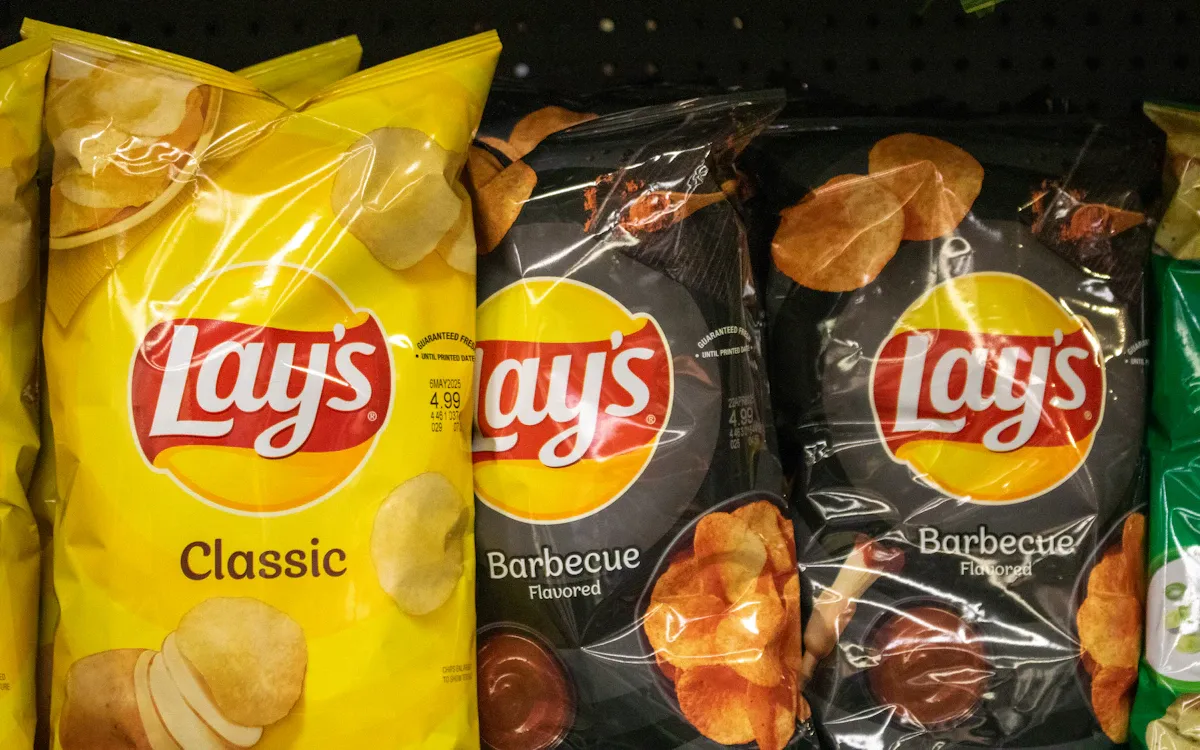
Think of a bag of potato chips, a brightly colored breakfast cereal, or a neon-orange snack cake. Your great-grandmother would not recognize most of the ingredients on those labels. That is the quickest way to identify an ultra-processed food.
The scale of consumption is staggering. In countries like the United States, ultra-processed foods make up a substantial share of total caloric intake for adults. For children and teenagers, that number climbs even higher. According to a recent CDC report cited in coverage of California's new school food law, children in the United States get nearly two-thirds of their calories from ultra-processed foods packed with additives, sugar, salt, and fat. These foods are cheap to manufacture, shelf-stable for months, and engineered to taste incredible. That combination makes them nearly impossible to avoid in modern food environments.
The Science Behind Ultra-Processed Food Addiction
So why can't people just put the bag down? The answer lives in your brain.
Neuroscience research has shown that ultra-processed foods, particularly those high in added sugar and fat, activate the same reward pathways in the brain as addictive substances. When you eat a highly palatable snack, your brain releases dopamine, the neurotransmitter associated with pleasure and reward. Over time, repeated exposure to these foods can downregulate dopamine receptors. This means you need more of the food to get the same feeling of satisfaction, a pattern that mirrors what happens with nicotine, alcohol, and other drugs.
At Duke University's World Food Policy Center, food policy advocates have been studying tobacco control history as a playbook for fighting ultra-processed food influence. In a 2021 episode of the center's 'Leading Voices in Food' podcast, host Kelly Brownell spoke with Dr. Kenneth Warner, a distinguished emeritus professor of public health at the University of Michigan and a leading authority on tobacco control policy. Brownell has long argued that the parallels between tobacco industry practices and food industry tactics are striking, from funding misleading research to lobbying against regulation and marketing heavily to children. The idea is straightforward: if tobacco control strategies worked, food policy advocates should borrow from that playbook.
Behavioral signs of addiction also show up in how people eat. Research using the Yale Food Addiction Scale has found that a significant subset of individuals meet diagnostic criteria for substance use disorder, but applied to food. They experience loss of control, intense cravings, continued use despite negative consequences, and withdrawal-like symptoms when they try to cut back.
Why Some Foods Are Literally Engineered to Hook You
This is not an accident. Food scientists work in labs to find what the industry calls the 'bliss point.' That is the exact combination of sugar, salt, fat, and texture that maximizes pleasure and keeps you eating. The crunch of a chip, the melt-in-your-mouth quality of a chocolate bar, these are carefully calculated sensory experiences.
The speed at which ultra-processed foods deliver calories also matters. A processed snack practically dissolves in your mouth, bypassing the normal chewing and digestive signals that tell your brain you are full. Whole foods like apples or nuts take physical effort to eat and digest, giving your body time to register satiety. Ultra-processed foods skip that process entirely.
The Health Consequences Go Beyond Weight Gain
Most people associate ultra-processed foods with obesity, and the link is well documented. But the damage extends much further.
Regular consumption of ultra-processed foods has been connected to a significantly higher risk of type 2 diabetes, cardiovascular disease, and certain cancers. Research published in major nutrition journals has found strong associations between high ultra-processed food intake and increased mortality risk. The mechanisms are not just about excess calories. The additives themselves, such as emulsifiers and artificial sweeteners, may disrupt the gut microbiome, trigger inflammation, and impair metabolic function even when calorie intake is controlled.
Mental health is another piece of the puzzle that researchers are only beginning to understand. Emerging evidence suggests a link between high ultra-processed food consumption and increased rates of depression and anxiety. The inflammatory response triggered by these foods may affect brain chemistry directly. Some psychiatrists now include dietary assessments as part of standard mental health evaluations.
For children, the risks are particularly concerning. Early exposure to ultra-processed foods can shape taste preferences for life, making it much harder to develop a taste for whole, nutritious foods later. The habit-forming nature of these products means that kids who grow up eating them regularly may struggle with food addiction well into adulthood.
Governments Are Starting to Fight Back
The policy landscape is shifting fast. In October 2025, California made headlines by enacting the first law in the United States to define and ban ultra-processed foods in public schools. Governor Gavin Newsom signed the 'Real Food, Healthy Kids Act,' which the state legislature had passed in mid-September. The law not only defines what counts as an ultra-processed food, a task most of the world has yet to accomplish, but also requires public health officials and scientists to determine which ultra-processed foods are most harmful. Any food designated as an 'ultra-processed food of concern' will be phased out of the school food supply, affecting what is projected to be over 1 billion meals served to California schoolchildren in the 2025-26 school year.
This is a watershed moment because it moves the conversation from individual willpower to systemic regulation. For decades, the food industry has pushed the narrative that diet is purely a matter of personal choice. The tobacco comparison is relevant here again. Public health experts point out that nobody seriously argues smoking is just a personal choice anymore. Regulation, taxation, and advertising restrictions changed the culture around tobacco, and advocates believe similar measures can work for ultra-processed food.
Other countries are moving in the same direction. Mexico implemented a front-of-package warning label system. Chile has banned cartoon characters on food packaging aimed at children. Brazil has officially incorporated the NOVA classification into its dietary guidelines, actively advising citizens to avoid ultra-processed foods. The global momentum is building, even if progress feels slow.
What This Means for You Going Forward
So where does that leave you as an individual navigating a food system designed to keep you hooked?
Awareness is the first step. Simply knowing that these foods are engineered to override your natural fullness signals changes how you interact with them. Reading ingredient labels and recognizing that a product with thirty items, most of which you cannot pronounce, is fundamentally different from a whole food, even if it sits in the same grocery aisle.
You do not need to be perfect. Cutting back gradually, swapping one ultra-processed snack for a whole-food alternative, cooking one more meal at home per week, these small shifts compound over time. The goal is not to eliminate every processed food from your life. That is unrealistic for most people. The goal is to break the cycle of dependency so that you are making conscious choices rather than reacting to cravings manufactured by a lab.
The bigger question is whether systemic change will arrive fast enough. California's school ban is a start, but real impact will require federal action, stronger advertising restrictions, and honest labeling that does not hide behind confusing nutrition claims. The science is clear. The policy tools exist. What remains to be seen is whether public demand will match the scale of the problem.
Have you ever noticed a specific ultra-processed food that you feel genuinely unable to stop eating, and do you think regulation would actually change your relationship with it?
Comments