
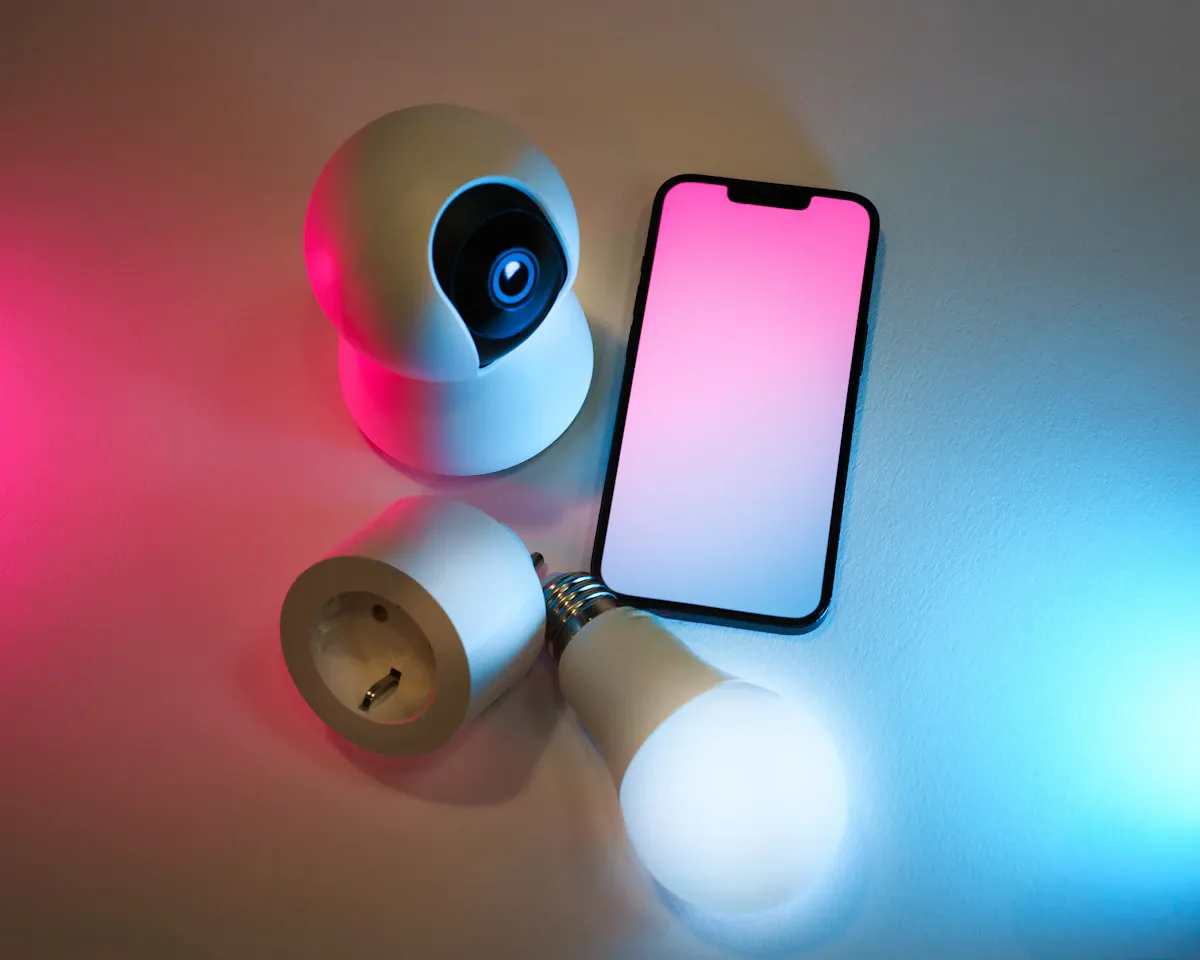
Ten years ago, a "smart home" meant a single voice speaker that could set a kitchen timer and not much else. Today, the smart home market has grown into a massive industry projected to reach roughly $95.8 billion in 2026 (MarketsandMarkets), and the gadgets hitting shelves are finally moving beyond novelty into genuine daily usefulness.
Why 2026 Is the Year Smart Home Gadgets Get Practical
The shift happening right now is not about adding more screens or more apps to your life. It is about removing friction. The best new devices from CES 2026 and beyond share a common trait: they work quietly in the background and solve specific, annoying problems without demanding your attention (TechTimes). Gadget Review notes that the 2026 class of smart home devices is the first to genuinely prioritize real-world savings over flashy specs (Gadget Review). So instead of wandering through endless product pages, here are the standouts that actually earn a spot in your home.
1. Aqara Camera Hub G5 Pro
Security cameras usually force you to choose between good video quality and a clean setup. The Aqara Camera Hub G5 Pro bridges that gap by serving as both a sharp outdoor security camera with 2K video and AI-driven motion detection, plus a central smart home hub for your other devices (PCMag). That means fewer gadgets cluttering your shelf and one less app to open. It supports every major smart home platform, so your lights, locks, and sensors can all route through this single device. For anyone building out a smart home system piece by piece, this kind of dual-purpose hardware saves both money and wall outlets.
2. Arlo Video Doorbell 2nd Generation
Video doorbells are not new, but the Arlo Video Doorbell 2nd Generation refines the formula in ways that matter for daily use. PCMag highlights this model as a well-priced wireless option that delivers sharp video with a full view of your doorstep, along with smart alerts and optional cloud storage (PCMag). The real upgrade is in how it handles notifications. Instead of sending you an alert every time a car drives past, it uses smarter filtering to focus on actual people approaching your door. That alone saves you from the constant "false alarm" phone checks that make older doorbells more annoying than helpful.
3. Amazon Echo Dot Max
Amazon has been iterating on the Echo Dot for years, and the Echo Dot Max represents the biggest leap in the lineup's sound quality. PCMag rates it as outstanding, calling it a feature-packed $100 smart speaker that delivers balanced, room-filling sound with robust smart home connectivity (PCMag). But sound is only half the story. The larger form factor also means a better microphone array for hearing your commands from across the house, even with music playing. If you have been relying on a tiny Echo Dot for background music and getting flat, tinny sound in return, this is the upgrade that actually fixes the problem.
4. Apple HomePod (2023)
You might wonder why a 2023 product makes a 2026 list. The answer is simple: it took time for Apple's smart home ecosystem to catch up to the hardware. The Apple HomePod (2023) delivers excellent audio and deep Siri integration, and PCMag includes it among the best smart home devices for 2026 (PCMag). With Matter support maturing this year, the HomePod has become a genuinely useful smart home controller instead of just a great speaker for Apple Music subscribers. If your home runs on iOS, this is the hub that finally ties everything together without forcing you to open the Home app every five minutes.
5. AI Wearables with Home Integration
This is the category that sounds futuristic but is already shipping. AI wearables like the Lenovo Qira pendant are moving beyond fitness tracking to offer real-time AI assistance and cognitive support (Gadget Review). At CES 2026, these devices ditched step counting for more practical tasks, acting as portable brains that can coordinate with your home systems (Gadget Review). The Wise Decor lists AI-driven automation as one of the most anticipated smart home trends of 2026, with devices that learn your habits and adapt accordingly (The Wise Decor). The broader push is toward wearables that connect to your home to trigger routines based on context, whether that is adjusting lighting when you settle in or starting your coffee maker when your morning alarm goes off. The goal is to remove the need to manually set schedules or dig through your phone to trigger actions.
The Real Takeaway: Less Interaction, More Automation
If you look across these five devices, a clear pattern emerges. The best smart home gear in 2026 is not asking you to do more. It is asking you to do less. The Aqara hub consolidates devices. The Arlo doorbell filters out noise. The Echo Dot Max and HomePod respond without you repeating yourself. The AI wearables aim to eliminate the need to touch your phone at all. Accio's research on 2026 smart gadget trends confirms that the industry is shifting from "smart" to "intelligent" homes, where AI-powered systems coordinate devices and learn user habits rather than waiting for manual input (Accio). That is the right direction. A smart home should feel like a quiet assistant, not a part-time job you manage through notifications. The question is not whether these gadgets work. It is which annoyance in your daily routine you want to disappear first.
Comments