Just a few decades ago, humans slept in near-total darkness once the sun went down. Today, your bedroom likely glows from a phone charger, a streetlamp outside your window, or the standby light on a TV. That shift from darkness to constant illumination may be doing more than ruining your sleep. New research suggests it could be raising your risk of heart disease by up to 50 percent.
Nighttime Light Exposure Linked to Cardiovascular Risk Up to 50 Percent
Researchers have uncovered a striking connection between artificial light at night and cardiovascular disease. A large-scale study found that people exposed to light during sleep faced a significantly higher risk of developing heart conditions compared to those who slept in darkness. The numbers are hard to ignore. For those experiencing the brightest nights, cardiovascular disease risk jumped by 30 to 50 percent, with elevated rates of heart attack, stroke, heart failure, atrial fibrillation, and coronary artery disease.
The study focused specifically on adults over 40, a group already at elevated risk for heart problems. Within this population, researchers observed increased rates of stroke and heart failure among those with brighter nighttime light exposure. This was not a small effect buried in statistical noise. The association held strong even after researchers accounted for factors like age, lifestyle, and existing health conditions.
What makes this study different from earlier work is its scale and specificity. Previous research often relied on satellite-based measures of outdoor lighting or small cohorts. This analysis used direct personal light-exposure data from wrist-worn sensors, zeroing in on cardiovascular outcomes with concrete risk percentages. The message is clear: the light in your bedroom at night is not just a nuisance. It may be a measurable threat to your heart.
Why Your Circadian Rhythm Takes the Hit
To understand why nighttime light affects your heart, you need to look at your circadian rhythm. This is your body's internal 24-hour clock. It governs everything from when you feel sleepy to how your body manages blood pressure, blood sugar, and inflammation. Light is the primary signal that keeps this clock running on schedule.
During the day, natural light tells your brain to stay alert. At night, darkness signals your body to wind down. Melatonin production ramps up, your heart rate drops, and your blood pressure falls. This nightly dip in blood pressure is critical for cardiovascular recovery. When artificial light enters your eyes during sleep, it disrupts this process. Your brain gets confused. It does not produce melatonin at full capacity, and your body never fully shifts into rest mode.
Think of it like leaving your car engine idling all night instead of turning it off. The engine never gets a real break. Over time, that constant low-level strain adds up. For your cardiovascular system, that strain shows up as elevated blood pressure, increased heart rate, higher inflammation, and reduced heart rate variability. Each of these factors nudges you closer to a cardiac event.
The study highlights that this is not just about blue light from screens, either. Any artificial light can trigger this response. Your circadian system is remarkably sensitive. Even low-level illumination that you might barely notice can be enough to disrupt the hormonal cascade your body relies on during sleep.
The Broader Implications for Public Health
This research lands at a time when cardiovascular disease remains the leading cause of death worldwide. Doctors already tell patients to eat better, exercise more, and quit smoking. Now, sleeping in the dark may need to join that list of standard health advice. As the study's lead researcher, Angus Burns of Harvard Medical School, put it, light exposure is a novel risk factor that doctors can easily recommend to patients, and it should be included in cardiovascular risk reduction guidelines.
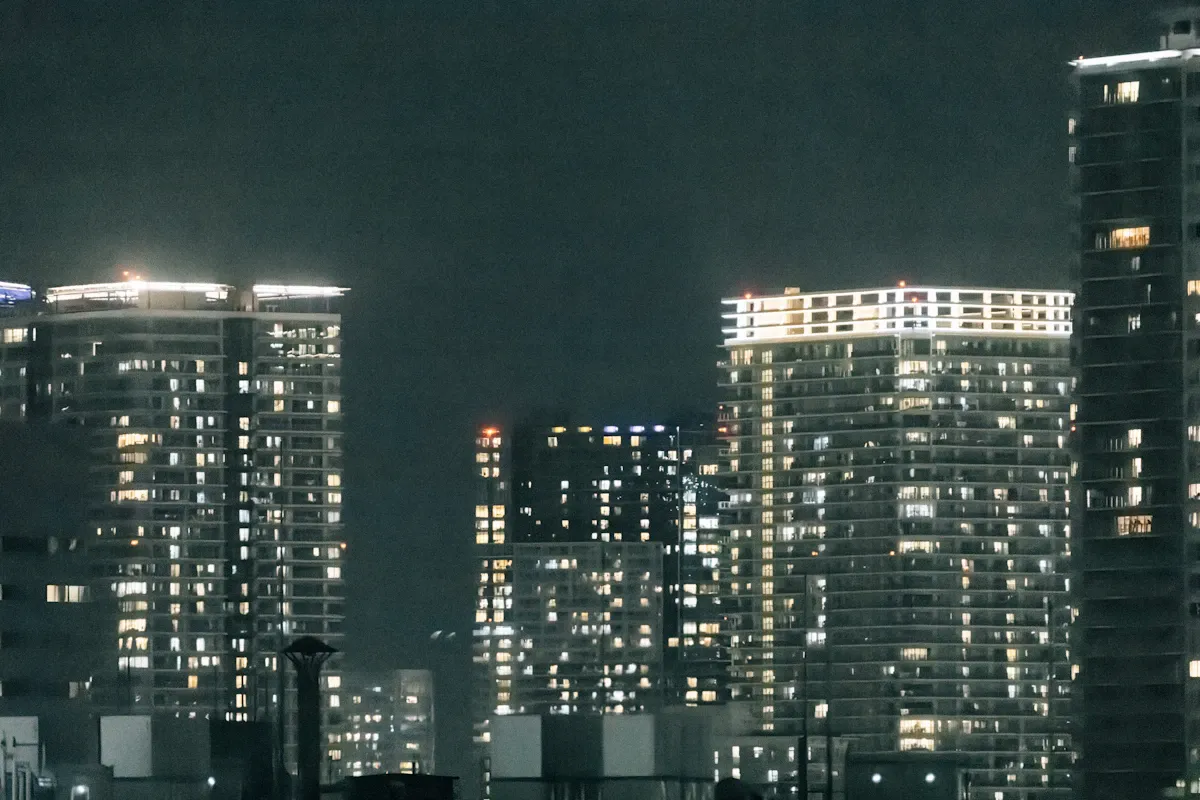
The challenge is that modern life makes darkness hard to find. Urban areas are saturated with artificial light. Streetlights, neon signs, and illuminated buildings create an environment where true darkness barely exists. For people living in apartments or dense neighborhoods, light pollution seeps through windows regardless of personal habits. This shifts the problem from an individual choice to a structural one.
There is also an equity dimension here. Lower-income neighborhoods often have higher levels of outdoor light pollution and less control over housing quality. Thin curtains, streetlights placed directly outside windows, and shared living spaces all make it harder to achieve a dark sleeping environment. If nighttime light exposure genuinely drives cardiovascular risk, then these communities may carry a hidden burden that public health guidelines have not yet addressed.
Another implication sits in the clinical space. Doctors routinely ask patients about diet, exercise, and smoking. How often do they ask about the light conditions in your bedroom? This research suggests that sleep environment assessments could become a standard part of cardiovascular risk screening. A simple question about nighttime light exposure could flag patients who need targeted intervention before a heart event occurs.
What This Means for Your Sleep Habits
The practical takeaway is straightforward but not always easy to execute. You need to make your sleeping environment as dark as possible. Start with blackout curtains or a high-quality sleep mask. Cover or remove standby lights on electronics. Charge your phone in another room or face it down so the screen does not illuminate your space.
If you need a light for safety, such as a hallway light for nighttime bathroom trips, consider a motion-sensor light with a red or amber bulb. Red light has the least impact on melatonin production compared to blue or white light. The key is minimizing the intensity and duration of any light exposure during your sleep window.
Screen habits before bed matter too. Using your phone or tablet in bed sends light directly into your eyes right when your brain is trying to initiate the sleep cycle. Even if you fall asleep with the TV on, that ambient light continues to reach your retinas throughout the night. The research suggests there is no safe threshold for nighttime light exposure when it comes to cardiovascular risk. Any light is worse than no light.
What Comes Next in Light and Heart Research
This study opens more questions than it answers. Future research will need to determine whether the cardiovascular risk is reversible. If someone who has been sleeping with a nightlight for years switches to complete darkness, does their heart risk drop back down? The current evidence does not yet answer this, but it is the logical next question for longitudinal studies to tackle.
Researchers will also likely explore the dose-response relationship more precisely. The study did identify a clear dose-response pattern, meaning brighter light exposure corresponded to higher risk. But pinning down exact thresholds and durations that matter most will be essential for creating evidence-based guidelines people can actually follow.
Technology could play a role in solutions, too. Smart lighting systems that gradually dim to zero after a set time, or windows that automatically darken at night, could help bridge the gap between modern living and biological need. Some cities are already experimenting with warmer-toned streetlights that reduce blue light emission, though research on whether this meaningfully reduces cardiovascular risk at the population level is still in early stages.
The Bottom Line
Your body evolved to sleep in darkness. Modern life has replaced that darkness with a constant glow, and your heart may be paying the price. With cardiovascular risk climbing by up to 50 percent for those exposed to the brightest light at night, the evidence is strong enough to take seriously. You do not need to overhaul your entire life. Start with blackout curtains and charging your phone outside the bedroom. Small changes to your sleep environment could make a meaningful difference for your heart over the years. What does your bedroom look like right now, and could a darker room be the simplest heart-healthy change you have not tried yet?
Comments