Fifteen years ago, if you wanted to contribute to NASA research, you needed a PhD and a lab badge. Today, you just need a phone and a few spare minutes. NASA currently lists 42 citizen science projects that are open to everyone, with no citizenship requirement (NASA Science). That is a massive shift in how science gets done, and it means you can start contributing to real discoveries this afternoon.
Why NASA Needs Everyday People to Do Science
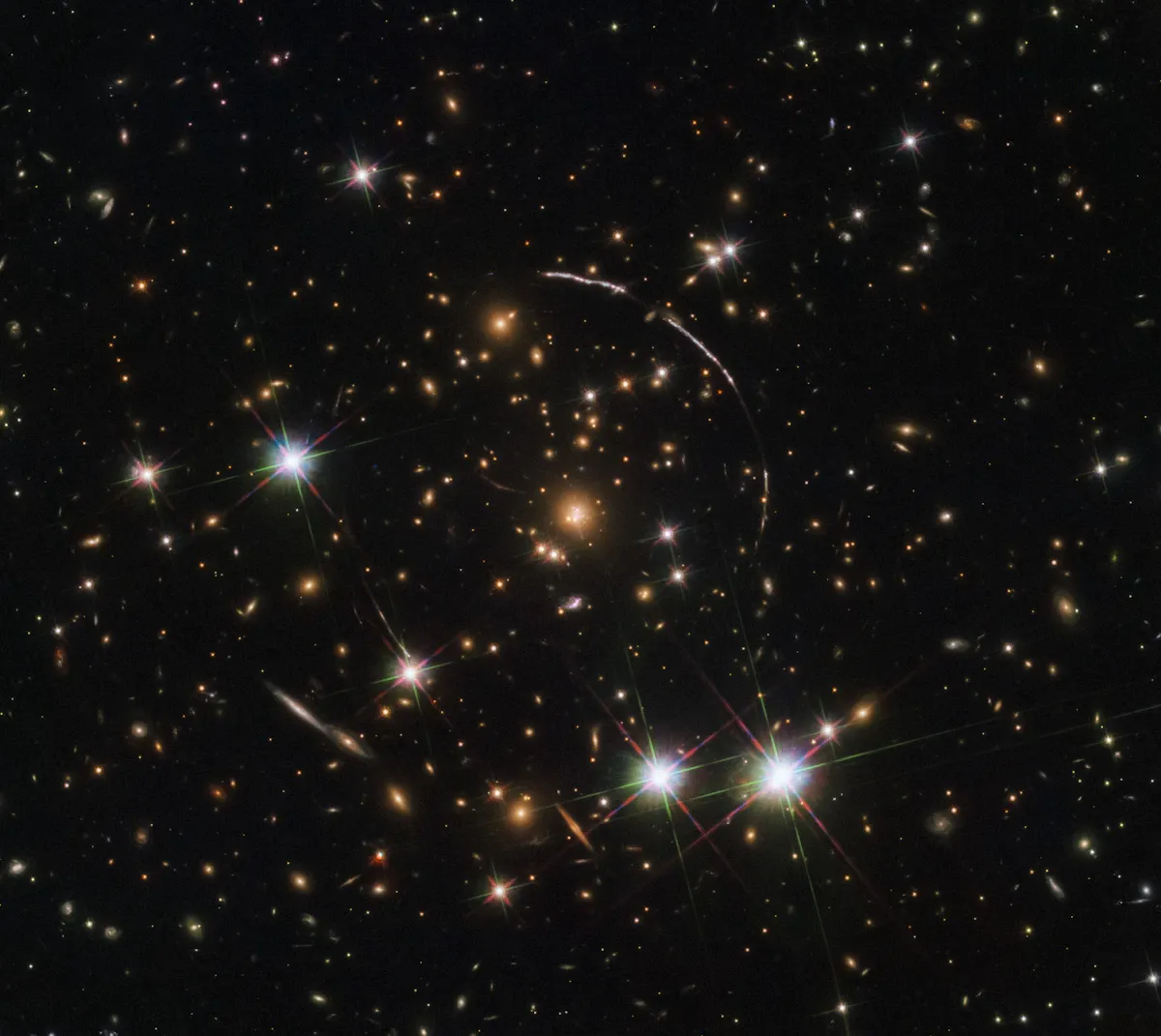
NASA collects more data than its scientists could ever process alone. Satellites beam down images of galaxies, planets, and our own Earth around the clock. Rovers send back thousands of photos from Mars. Space telescopes capture light from billions of years ago. The bottleneck is not collecting data. It is making sense of all of it.
That is where you come in. Citizen science projects break enormous datasets into small, manageable chunks. One person might classify a few dozen galaxy shapes. Another might mark seasonal changes in a satellite image of their hometown. Together, thousands of volunteers process data that would take a single researcher years to sort through. In early 2025, NASA announced funding for 25 new citizen science proposals across astrophysics, planetary science, heliophysics, and Earth science (Civic Science Media). Some of these new projects involve studying bright green glows in the night sky, like one observed from Texas in June 2024, captured thanks in part to citizen scientist photographers (SciTechDaily).
And the science community is paying attention to quality. A 2025 framework published on Zenodo lays out quality criteria for citizen science projects, covering ethical aspects and project standards (Zenodo). This means the projects you join are not just busywork. They follow real guidelines.
What You Need Before You Start
The good news is that most NASA citizen science projects require almost nothing in the way of preparation. You do not need a telescope. You do not need coding skills. You do not even need to know what a parsec is.
A few projects do have specific tools. Some astronomy projects ask you to use a smartphone app to record sky observations. Others might need a basic camera if you are photographing clouds or auroras. But the majority of the 42 projects listed on NASA's citizen science portal run right inside your web browser (NASA Science).
The only real prerequisite is willingness to follow instructions. Each project includes a short tutorial. If you can watch a two-minute video and click buttons, you have the skills to participate.
Step 1: Browse the NASA Citizen Science Portal
Your first stop is the official NASA citizen science page. Scroll through the full list of 42 projects (NASA Science). You will see projects grouped by topic: solar system, exoplanets, Earth science, astrophysics, and more.
Take five minutes to read the descriptions. Some projects are quick classification tasks. For example, you might look at telescope images and identify whether a bright spot is a star, a galaxy, or something else. Other projects are more involved, like tracking rainfall in your area over weeks or months.
Do not overthink this first step. Pick two or three that sound interesting. You can always come back and try others later.
Step 2: Complete the Project Tutorial
Once you click into a project, do not skip the tutorial. It is tempting to jump straight in, but these introductions exist for a good reason. They teach you exactly what to look for and how to classify what you see.
For instance, a project asking you to identify spiral galaxies will show you examples. You will learn the difference between a spiral galaxy and an elliptical one. You will see edge cases where the shape is unclear. The tutorial typically includes a few practice rounds where you classify images and get immediate feedback.
This step matters more than you might think. Research on biodiversity citizen science projects has found that these programs can produce high-quality data and help participants deepen their understanding of ecology and the scientific process (Journal of Science Communication). When volunteers understand the classification system, the data they produce becomes far more reliable. So treat the tutorial as part of the science, not just a formality.
Step 3: Start Classifying or Collecting Data
Now comes the fun part. Start working through real data. For browser-based projects, this usually means looking at an image, answering a question or two about it, and clicking submit. A typical session might involve classifying a couple dozen images in about fifteen minutes.
If you are doing a field-based project, like cloud observation or mosquito habitat tracking, the workflow looks different. You might step outside, photograph the sky, answer a few questions about cloud types and cover, and submit through an app. Some Earth science projects ask you to compare satellite images of your local area from different years and note changes in land use or vegetation.
The key here is consistency over volume. Classifying ten images carefully is more valuable than rushing through a hundred and guessing on half of them. NASA and the research teams behind these projects build in consensus checks, meaning multiple people classify the same image. If your answers wildly disagree with everyone else, those classifications get lower weight in the final dataset.
Step 4: Track Your Contributions and Explore Results
Most projects give you a personal dashboard where you can see how many classifications you have completed. Some show you statistics on the types of objects you have identified. It is surprisingly satisfying to watch your numbers climb.
But the real reward comes when projects publish their findings. Many citizen science projects result in published papers, and some specifically credit volunteer contributions. More than 650 NASA citizen scientists have co-authored publications (NASA Science). Volunteers often gain a deeper understanding of the scientific process itself through their involvement.
Check the project blog or news section periodically. You might discover that a galaxy you classified turned out to be something unusual. That kind of direct connection between your small action and a real scientific result is what makes citizen science addictive in the best way.
Common Mistakes and Pro Tips
The biggest mistake new volunteers make is trying to be perfect. You will encounter ambiguous images. A blurry telescope photo might look like a galaxy to you and like noise to the next person. That is fine. The system is designed to handle disagreement. Classify your best guess and move on.
Another common trap is picking a project that does not match your available time. If you only have five minutes here and there, choose a browser-based classification project. Do not sign up for a field project that requires daily observations if you know you will forget most days. Be honest with yourself about your schedule.
One pro tip: try projects outside your comfort zone. If you gravitate toward space stuff, spend a week on an Earth science project. You might find that tracking seasonal changes in satellite imagery of forests is just as engaging as identifying distant galaxies. NASA is funding new projects across all these domains (SciTechDaily), so the variety is only growing.
Also, consider joining during events like Citizen Science Month. These campaigns often feature guided activities, community challenges, and opportunities to connect with other volunteers. As Nextgov noted, Citizen Science Month has expanded well beyond stargazing into ecology, climate tracking, and even helping preserve the nation's historical record (Nextgov).
Finally, if you run into technical issues or are unsure about a classification, use the project's discussion forum. These communities are generally welcoming and helpful. Chances are someone else had the exact same question.
Start Contributing to Real NASA Science Today
Forty-two projects are waiting on NASA's portal right now, and every single one was designed for people with zero formal training (NASA Science). You do not need to quit your job or buy expensive gear. You just need curiosity and a few minutes. Pick a project, finish the tutorial, and classify your first piece of real scientific data. Which of those 42 projects are you going to try first?
Comments