
Fifty years ago, the idea that bacteria from your intestines could physically travel to your brain sounded like science fiction. Today, researchers at Emory University have shown it can happen, at least in mice fed a high-fat diet. This discovery reshapes how we think about the connection between what you eat and your neurological health.
Gut Bacteria Found Inside the Brain in Emory University Study
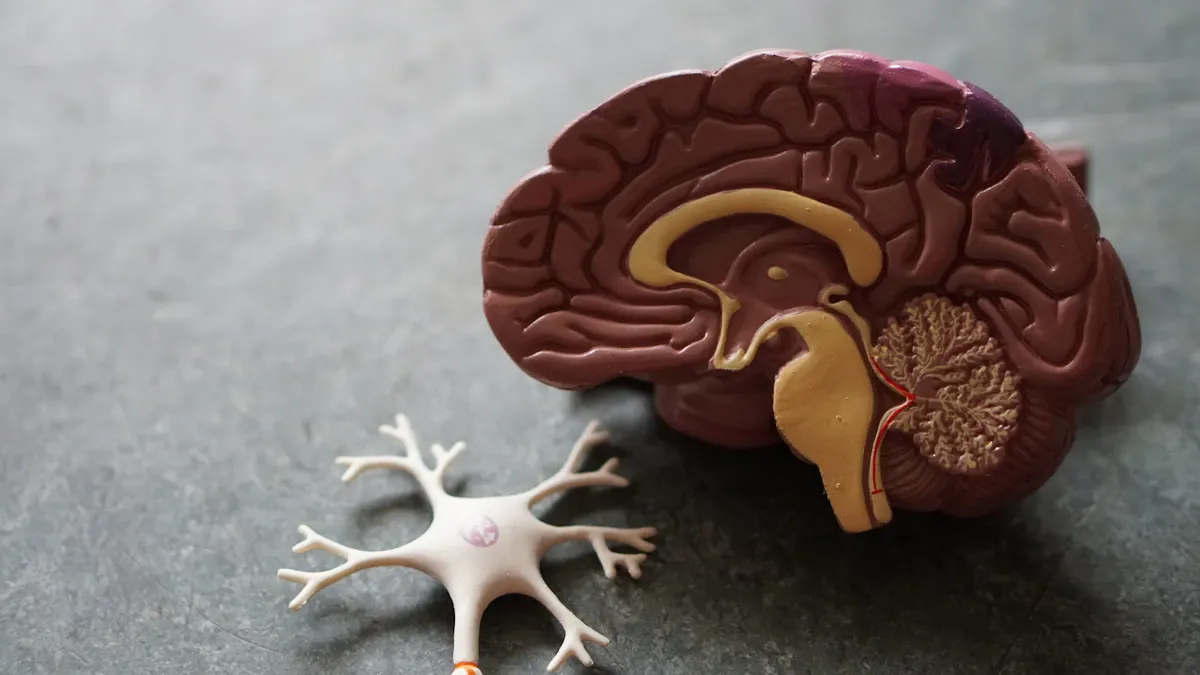
Researchers at Emory University made a striking discovery: live gut bacteria inside the brains of mice fed a high-fat diet. The bacterial loads were low, in the hundreds, but they were unmistakably alive and present in brain tissue. Mice on a regular diet did not show the same pattern.
The gut is often called the 'second brain' because it contains more than 100 million neurons. Scientists have known for years that the gut and brain communicate through signals and chemicals. But nobody expected bacteria to physically relocate from the digestive tract into brain tissue.
The study, published in PLOS Biology in March 2026, focused on germ-free mice fed Paigen's Diet, a model similar to a Western diet with roughly 45% carbohydrates and 35% fat, for nine days. When researchers examined their brains, they found both bacterial DNA and live bacteria. Something about the high-fat diet appeared to break down the barriers that normally keep gut bacteria exactly where they belong.
The Vagus Nerve: A Direct Route from Gut to Brain
Here is the detail that makes this study stand out. The bacteria did not travel through the bloodstream. They hitched a ride on the vagus nerve, a major nerve pathway connecting the brainstem to the heart, lungs, and abdominal organs including the stomach and intestines. No detectable amounts of bacteria were found in the blood or other organs.
To confirm this route, the team used a clever tracking method. After giving mice antibiotics to clear their gut microbes, they fed the animals a genetically marked strain of Enterobacter cloacae. When the mice also consumed the high-fat diet, that exact engineered strain was later detected in both the vagus nerve and the brain. That is about as close to a smoking gun as you get in microbiome research.
Why Gut Bacteria in the Brain Is a Major Neurological Concern
Your brain is protected by a structure called the blood-brain barrier. Think of it as a strict security checkpoint that lets in nutrients and keeps out harmful substances, including bacteria. When that barrier weakens, problems follow.
The presence of live gut bacteria in the brain suggests a high-fat diet can compromise this protective shield. This is not just about digestive health anymore. It directly ties your diet to the structural integrity of your brain.
The gut-brain axis has been a hot topic in neuroscience for years. Researchers have linked gut bacteria to mood disorders, cognitive decline, and neurodegenerative diseases, but most of those connections were about chemical signaling, like bacteria producing neurotransmitters that influence behavior. This study reveals a far more direct route. The bacteria are not just sending messages. They are showing up in person.
What High-Fat Diets Do to Your Gut-Brain Barrier
The researchers did not just find bacteria. They started piecing together how those bacteria got there. A high-fat diet changes the gut environment in multiple ways. It alters the balance of bacterial species, weakens the intestinal lining, and triggers inflammation.
When the gut lining becomes permeable, a condition sometimes called 'leaky gut,' bacteria and their byproducts can slip out of the intestine. From there, the study shows they travel directly to the brain via the vagus nerve rather than circulating through the blood. The inflammatory response likely amplifies the damage, creating a chain reaction that starts in the gut and ends in the brain.
But here is an important caveat. This study was conducted on mice, not humans. Mouse brains and human brains share many similarities, but they are not identical. The exact same mechanism may not play out the same way in people. Still, the findings are alarming enough to demand closer attention from the neuroscience community.
What This Means for Neurological Diseases and Future Research
The implications stretch well beyond diet advice. If gut bacteria can infiltrate the brain, this could open new lines of inquiry into conditions like Alzheimer's disease, Parkinson's disease, and autism spectrum disorder. All of these conditions involve neuroinflammation, and the Emory team found low levels of bacteria in the brains of mouse models of these diseases even without dietary changes.
As co-principal investigator David Weiss put it, the development of neurological conditions may be initiated in the gut. That could shift the focus of future therapies toward targeting the gut microbiome rather than only the brain.
Future research will need to answer several key questions. Which specific bacterial species are making the journey? Does the type of fat matter? How quickly does this process happen? And perhaps most encouragingly, can it be reversed? When mice in the study were returned to a normal diet, the bacteria in their brains disappeared, suggesting diet-driven changes may be reversible.
Another pressing question involves individual susceptibility. Not everyone who eats a high-fat diet develops neurological problems. Genetic factors, the starting composition of your gut microbiome, and the duration of the diet likely all play roles. Understanding who is most vulnerable could eventually lead to personalized dietary recommendations for brain health.
What Comes Next for Gut-Brain Research
The Emory team's findings will almost certainly trigger a wave of follow-up studies. Other laboratories will try to replicate the results. Some will test different diets to see if other nutritional patterns also compromise the gut-brain barrier. A few may even look for similar bacterial presence in human brain tissue samples, though that kind of research faces significant ethical and practical hurdles.
There is also the therapeutic angle. If researchers can identify the specific pathways bacteria use to reach the brain, they might be able to block those pathways with drugs. Probiotic and prebiotic interventions could be tested not just for gut health but as a direct shield for the brain.
The broader takeaway is that the boundary between 'gut health' and 'brain health' is far thinner than anyone imagined. Your diet does not just affect your waistline or your energy levels. It may literally shape the microbial landscape inside your skull. That is not a reason to panic, but it is a reason to think more carefully about what you put on your plate.
What do you make of this connection between your gut and your brain? Would knowing that your diet could influence the bacteria inside your head change how you eat?
Comments