
Eli Lilly pulled in billions from Zepbound and Mounjaro in 2025, and now a new wave of GLP-1 weight-loss drugs is arriving that could make those blockbusters look like opening acts. Thirty years ago, GLP-1 hormones were barely a footnote in endocrinology textbooks, studied for their small role in digestion. Today they are reshaping how medicine treats obesity, and the next generation of these drugs is targeting not just one but multiple gut hormones at once.
How GLP-1 Drugs Rewire Your Appetite
GLP-1 stands for glucagon-like peptide-1. It is a hormone your intestines release after you eat, and it tells your brain you are full. The original GLP-1 drugs like Wegovy mimic that single signal, slowing digestion and quieting what patients call 'food noise', that constant mental chatter about what to eat next.
But here is the thing. Your body does not rely on just one hormone to regulate hunger. It uses a whole orchestra of signals, including GIP (glucose-dependent insulinotropic polypeptide) and amylin. GIP works alongside GLP-1 to manage blood sugar and fat storage. Amylin is a different hormone entirely, released by the pancreas, that tells your brain to stop eating and also slows down how fast your stomach empties.
Wegovy targets only GLP-1. Zepbound targets both GLP-1 and GIP. The drugs coming next target even more pathways, and that is why researchers are calling the early results 'profound'.
Terra Field started taking Wegovy in 2022 and finally understood what satiety actually felt like. She lost more than 100 pounds in two and a half years, and the relief from food noise changed her life. Then, in early 2025, her weight loss stalled, a common experience known as a plateau. When she switched to Zepbound, which hits two hormone pathways instead of one, the weight started coming off again. Her story illustrates a simple point: adding more hormone targets seems to push past the walls that single-pathway drugs hit.
The Next Generation: CagriSema, Retatrutide, and Oral Options
The two names you need to know right now are CagriSema and retatrutide. Both are advancing through clinical trials, and both are showing results that exceed anything currently on the market.
CagriSema, developed by Novo Nordisk, combines semaglutide (the active ingredient in Wegovy) with cagrilintide, which is an amylin analog. So instead of mimicking one hormone, it mimics two: GLP-1 and amylin. Early trial data showed patients losing roughly 25 percent of their body weight on average. That number is noticeably higher than the roughly 15 percent average weight loss seen with Wegovy in its pivotal trials.
Retatrutide, from Eli Lilly, goes even further. It is a triple agonist, meaning it activates GLP-1, GIP, and glucagon receptors all at once. Glucagon is the wildcard here. It is a hormone that typically raises blood sugar by signaling the liver to release stored energy. But when combined with GLP-1 and GIP in a single drug, glucagon appears to boost energy expenditure, essentially helping the body burn more calories while the other two hormones suppress appetite.
Why a Pill Could Change Everything
Right now, every major GLP-1 weight-loss drug is a weekly injection. That alone keeps a lot of people from trying them. Needle phobia is real, and injections are harder to manufacture, ship, and store than pills.
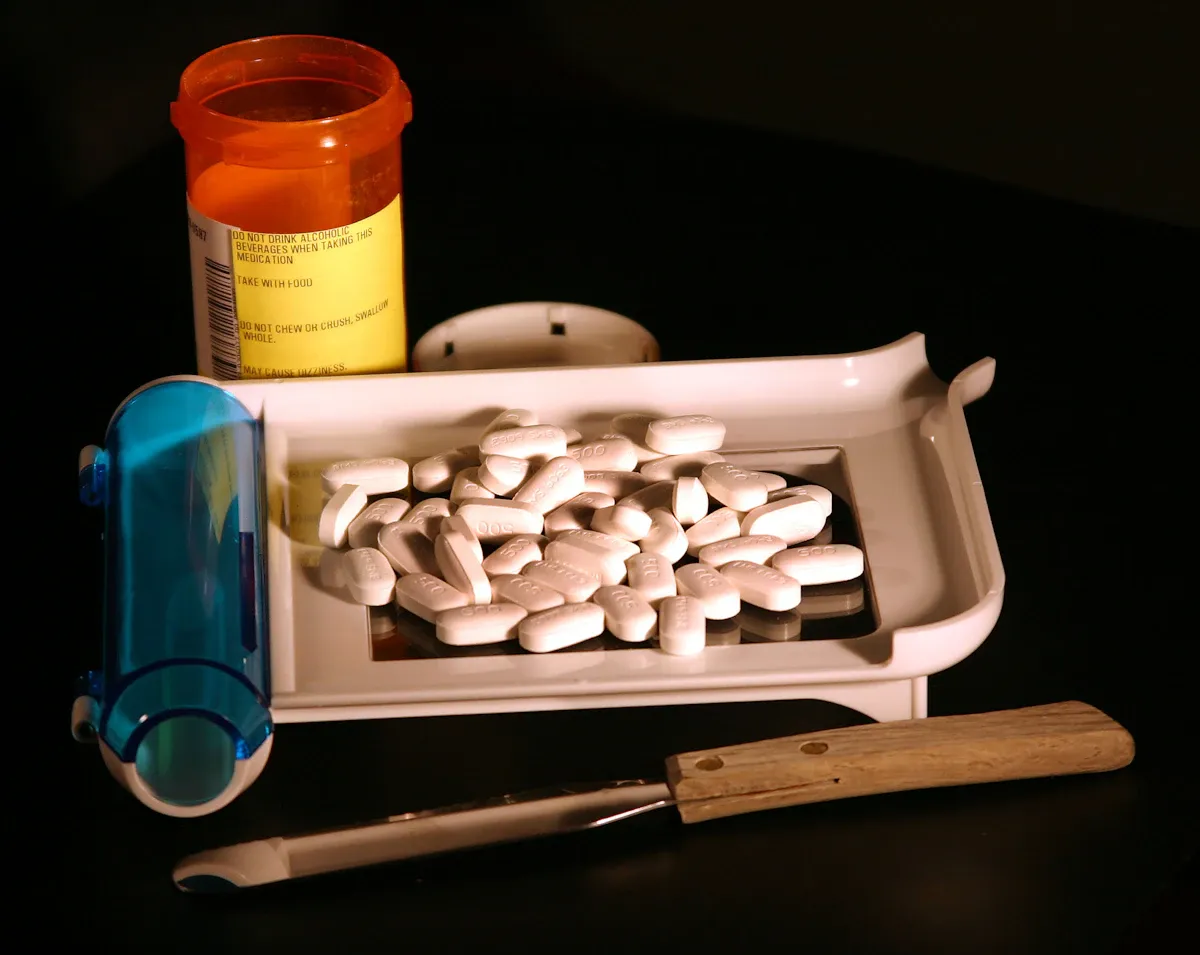
An oral GLP-1 pill would remove that barrier entirely. The challenge has always been that GLP-1 is a peptide, a short chain of amino acids, and your stomach acid breaks peptides down before they can reach your bloodstream. Drug companies have been working on absorption enhancers and protective coatings to solve this. Scientific American reports that a second oral GLP-1 pill has now gained FDA approval, with one approved pill resulting in an average of 27 pounds lost over 72 weeks, marking a genuine shift in how these drugs can be delivered.
Oral options likely will not match the peak weight loss of injectable triple agonists right away. The absorption issue means pills often deliver lower effective doses. But for millions of people who would never pick up a needle, a pill that delivers even moderate weight loss could be life-changing.
What This Means for Patients and the Health System
The implications stretch well beyond individual waistlines. Obesity drives type 2 diabetes, cardiovascular disease, sleep apnea, and at least 13 types of cancer. If next-generation GLP-1 drugs can produce 25 percent or greater body weight reduction at scale, the spending curve on obesity-related healthcare could bend in a meaningful way.
But access remains the biggest obstacle. Zepbound currently carries a high monthly price tag without insurance, and CagriSema and retatrutide will likely launch at similar or higher price points. Insurance coverage is patchy. Many employers and insurers still classify these drugs as 'lifestyle medications' rather than essential treatments, even as the clinical evidence for obesity as a metabolic disease grows stronger.
There are also side effects to consider. Nausea, vomiting, diarrhea, and constipation are common across all GLP-1 drugs because, fundamentally, these medications slow down your digestive system. Triple agonists like retatrutide may carry additional risks because they affect more biological pathways simultaneously. Long-term safety data for these newer drugs is still being collected, and regulators will be watching closely for any signals of unexpected harm.
The manufacturing challenge is another layer. These are complex biologic drugs, not simple chemical compounds. Scaling production to meet global demand has already been a struggle for Wegovy and Zepbound. Adding two more blockbuster drugs to the supply chain will test the industry's capacity for years.
Then there is the question of what happens when people stop taking these medications. Studies consistently show that patients regain weight rapidly after discontinuing GLP-1 drugs, with one 2026 review finding that people who quit regain weight four times faster than those who stop dieting or exercising. This suggests that obesity, for many people, is a chronic condition requiring ongoing treatment, much like high blood pressure or cholesterol. That reality makes the cost and access problems even more pressing, because we are not talking about a 12-week course of pills. We are talking about decades of treatment for millions of people.
The science behind these drugs is moving faster than the systems built to deliver them. Providers need clearer guidelines on which patients benefit most from single, dual, or triple agonists. Payers need to update their coverage frameworks. And patients need honest conversations about what these drugs can and cannot do, including the fact that they work best when combined with dietary changes and physical activity, not as standalone magic bullets.
So the real question is not whether these next-generation GLP-1 drugs will work. The evidence so far says they will, and the numbers are striking. The real question is whether the healthcare system can catch up to the science in time to make them available to the people who need them most. What do you think should happen first: lower prices, wider insurance coverage, or more long-term safety data?
Comments