
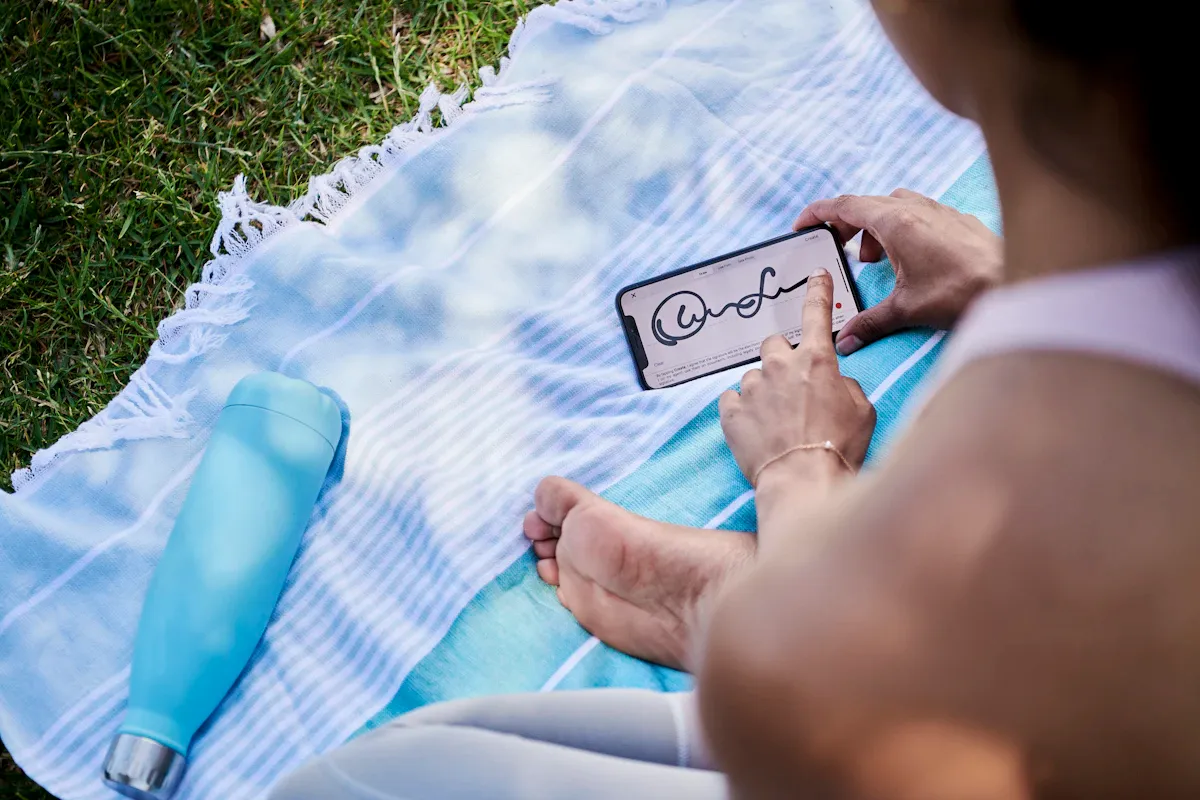
Five years ago, the average young adult spent over four hours daily thumbing through algorithmic feeds, treating strangers' curated photos as a substitute for actual friendship. Today, that behavior looks almost quaint. Something has quietly shifted in how Gen Z and millennials spend their social energy, and it is pulling millions of people away from screens and back into rooms with other humans.
The Shift from Digital Socializing to In-Person Connection
The pandemic accelerated a lot of digital habits. Video calls replaced dinners. Text threads replaced road trips. For a while, it felt like the future of socializing was entirely online. But the novelty wore thin faster than most people expected.
Ogilvy's 2026 social trends report highlights what they call a 'return to real,' pointing out that audiences are actively rejecting polished, performative content in favor of messy, authentic, offline interactions. The report argues that brands and individuals alike are losing relevance when they chase mainstream digital metrics instead of fostering genuine human moments.
Psychology Today frames this even more bluntly. People have been trading convenience for connection for years, and the emotional bill has finally come due. Writing in her 'Sense of Belonging' column, Kelly-Ann Allen explores how everyday conveniences like self-serve checkouts and online shopping have steadily eroded the small but meaningful social contacts that once filled our days. Digital communication is easy, yes. But easy does not mean fulfilling. When we replace in-person interactions with quick likes and comments, we short-circuit the very mechanisms that make us feel like we matter to other people.
This is not about hating technology. Nobody is throwing phones in the river. The shift is more subtle than that. It is about recalibrating the ratio. A text message to confirm plans is useful. But the text message is no longer the main event. The dinner is the main event.
What the Data Says About Real-World Social Habits in 2026
Eventbrite recently released their first annual Social Study report, a cultural intelligence piece focused specifically on live experience trends. Their findings paint a clear picture: Gen Z and millennials are leading what Eventbrite calls the 'reset to real.' This is not a fringe movement. It is a measurable redirection of time, money, and social attention toward live, shared experiences.
The numbers are striking. According to the report, 79% of 18-to-35-year-olds plan to attend more events in 2026. Nearly a quarter of that age group reports feeling lonely, yet they are not withdrawing. They are actively seeking connection. Among Gen Z specifically, 46% say they are limiting screen time, and 74% consider in-person experiences more important than digital ones. Nearly half want events that feel less curated and more real.
The report found that younger generations are prioritizing in-person events not as occasional treats, but as regular social staples. Think running clubs, pottery workshops, neighborhood block parties, and amateur sports leagues. These are not new activities. But the energy behind them is different now. People are showing up with intention, not just because a friend dragged them along.
Featured's analysis of this trend backs up the observation with a straightforward claim: meeting people in real life is making a major comeback in 2026. The article points to the rise of activity-based socializing as a core driver. Instead of saying 'let's grab a drink,' people now say 'let's try that new climbing gym' or 'there is a community garden cleanup this Saturday.' The activity removes the awkwardness of forced conversation and gives people something real to bond over.
Why Activity-Based Socializing Works Better
There is a psychological reason why doing things together beats sitting across from each other at a bar. Shared tasks create natural conversation starters. You do not have to perform. You do not have to be charming. You just have to show up and participate.
Eventbrite's data reveals a related trend they call 'soft socializing,' where 58% of young adults say they prefer gatherings where socializing is not the main focus. They want places to sit and observe, to control how they interact on their own terms. The appeal is obvious: low-pressure environments let people ease into connection without the anxiety of forced small talk.
The Social Habits Shaping 2026 report from TheRR notes that people are craving real connections more than ever, and that this craving is showing up in how they plan their weeks. Social calendars are filling up with events that have a tangible, physical component. Not another Zoom happy hour. Not another Instagram story of someone else's vacation. An actual thing you do with your body, alongside other bodies.
This matters because loneliness has been climbing for years, and digital socializing did not solve it. The American Psychological Association reports that 40% of U.S. adults now describe themselves as lonely, up from 35% in 2018. Gen Z spends an average of 4.5 hours per day on social media, yet reports the highest levels of social dissatisfaction of any generation. A 2025 Oregon State University study of over 1,500 adults found that those in the top 25% of social media usage frequency were more than twice as likely to experience loneliness. You can have 2,000 followers and feel completely unseen. You can text five people in an afternoon and still go to bed feeling like nobody knows you. The data coming out in 2026 suggests younger generations have started to recognize that gap between digital activity and emotional nourishment, and they are doing something about it.
The Dating World Mirrors the Same Pattern
This push toward intentionality is not limited to friendships. It is reshaping romance too.
UpdateMe's analysis of 2026 dating culture describes the arrival of what they call 'the age of intentional dating.' Swiping fatigue is real, and it has been building for years. The article describes people tiring of superficial browsing and craving something with actual depth. Ghosting, breadcrumbing, and flaky messaging have eroded trust to the point where daters are unwilling to invest time unless there is genuine reciprocal effort. Dating apps still exist, of course. But the way people use them is changing. More users are treating apps as introductions only, then moving quickly to in-person meetings. Extended text-based pen-pal situations are falling out of favor.
The parallel to broader social habits is impossible to miss. Whether someone is looking for a partner, a friend, or just a community, the underlying question has shifted from 'what can I scroll through next?' to 'who can I actually spend time with?' That question leads to very different behavior. It leads to saying yes to the dinner party. It leads to signing up for the class. It leads to showing up places where your phone stays in your pocket.
What This Means for the Future of Social Life
None of this means social media is dying. Platforms will keep evolving, and people will keep using them. But the role of social media is changing. It is shifting from being the primary venue for social life to being a tool that helps you find and coordinate real-world social life.
Ogilvy describes this as a move toward 'social with substance,' where online presence is measured not by follower counts but by the quality of offline connections it enables. A post about a community event that gets 30 likes but brings a dozen people together in a room is now considered more valuable than a viral video watched by a million strangers who never leave their couch.
The broader implication is cultural. We may be watching the beginning of a correction. A decade of unlimited digital socializing taught us something important: connection requires friction. It requires logistics, travel, awkward introductions, and the risk of being bored or uncomfortable. Those inconveniences are not bugs in the system of human connection. They are features. They are the exact things that make the connection feel real once it forms.
Eventbrite's report suggests this correction will continue to grow, with live experiences becoming a primary way younger generations build and maintain their social networks. Community is not something you subscribe to. It is something you show up to.
The question is not whether this trend is real. The reports, the behavior shifts, and the cultural mood all point in the same direction. The real question is whether it will last, or whether the next shiny digital tool will pull people back into the glow of their screens. So here is a simpler question to sit with: when was the last time you left your phone in your pocket and had a conversation with someone that actually changed your week?
Comments