
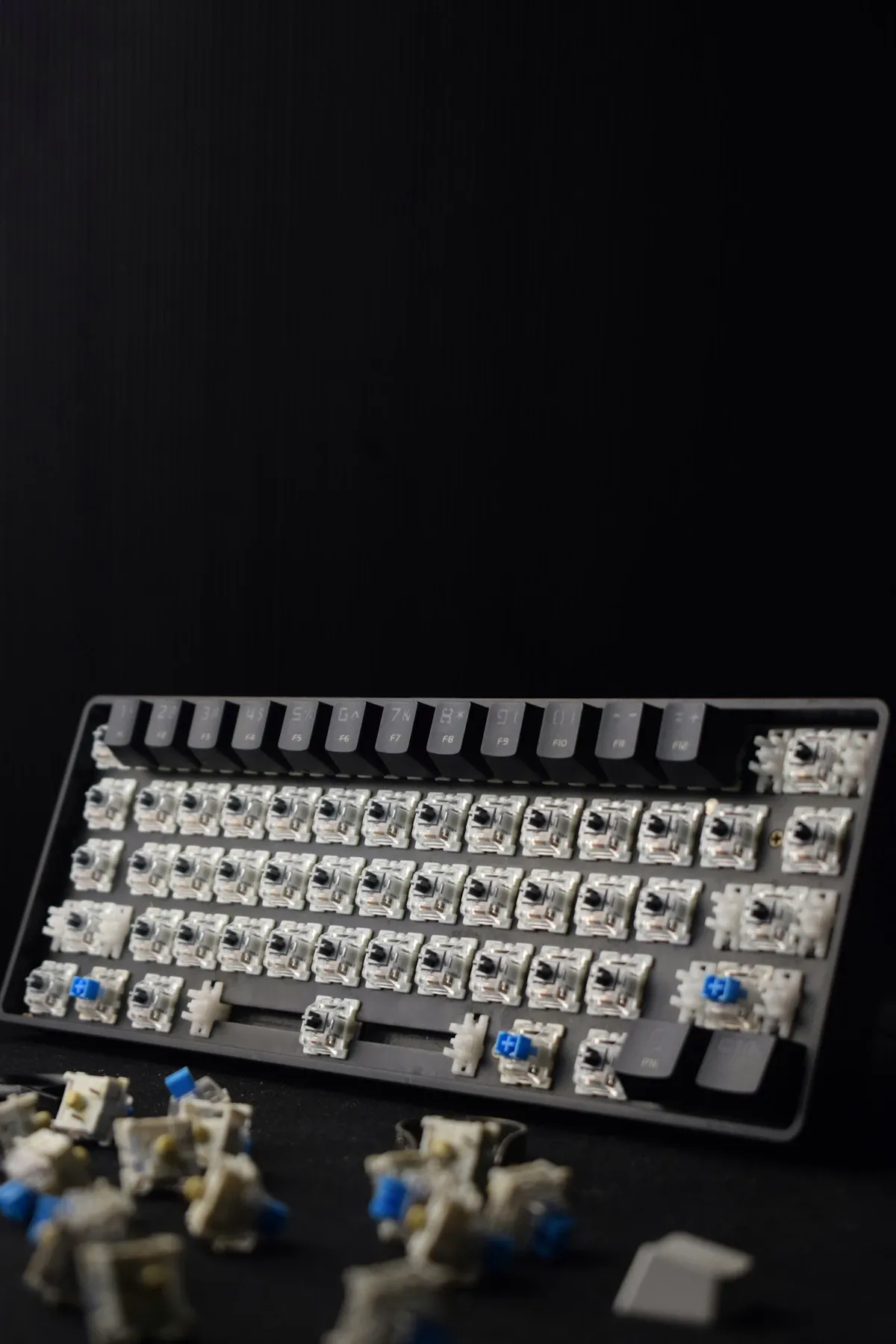
Fifteen years ago, building your own mechanical keyboard meant soldering tiny switches onto a bare PCB and hoping nothing short-circuited. Today, the DIY keyboard scene has exploded into a world of hot-swappable boards, premium aluminum cases, and kits that practically assemble themselves. Whether you want a budget starter build or a showpiece for your desk, there has never been a better time to dive in.
Why Mechanical Keyboard Kits Are Worth Building in 2026
The appeal of a kit is simple. You pick every single part: the case material, the switch type, the keycap profile, the sound-dampening foam. Pre-built keyboards force you to accept someone else's choices. A kit puts you in the driver's seat.
But the sheer number of options can paralyze you. That is why we have narrowed the field down to the most worthwhile kits you can buy right now, pulled from expert roundups and community favorites across the keyboard world.
1. Glorious GMMK 2
The GMMK 2 has earned its reputation as a go-to starter kit. It features a solid aluminum top shell, a hot-swappable PCB that supports 5-pin switches, and pre-lubed stabilizers that save you tuning time right out of the box. You do not need any soldering experience. Just drop in your switches, snap on keycaps, and you are typing. The barebones version ships without switches or keycaps, which keeps the entry price low while giving you full control over the feel and sound of the board. At its price point, the aluminum construction alone makes it tough to beat.
2. Drop CTRL & ALT
Drop helped popularize DIY keyboards for the mainstream, and the CTRL and ALT remain strong picks in 2026. The CTRL is a compact 65% layout, while the ALT gives you a tenkeyless 87-key option. Both feature hot-swappable PCBs, a solid plastic case with an aluminum plate, and USB-C connectivity. What sets them apart is the massive ecosystem of custom keycap sets designed specifically for these layouts. If you care about how your board looks as much as how it types, Drop gives you the most aesthetic flexibility.
3. Keychron Q Series
Keychron's Q Series shifted the budget barrier for aluminum cases. Before these kits, an all-aluminum gasket-mounted board typically cost well over $200. Keychron brought that experience down to a more accessible range. The Q1, Q2, and Q3 cover 75%, 65%, and tenkeyless layouts respectively. Each one ships as a barebones kit with the case, PCB, plate, gasket mounts, and sound-dampening foam pre-installed. You just add switches and keycaps. The build quality consistently punches above the price tag, which is why the Q Series shows up in expert comparisons with high marks across the board.
4. KBDFans KBD75 V3
If you spend any time in keyboard hobbyist communities, KBDFans comes up constantly. The KBD75 V3 is one of their most popular kits, and for good reason. It is a 75% layout with a gasket-mounted design, an aluminum case, and a hot-swappable PCB. The kit includes multiple plate options so you can choose between aluminum, brass, polycarbonate, or carbon fiber. Each plate material changes the typing feel and sound profile noticeably. Brass gives you a deeper, thockier sound, while polycarbonate softens the bottom-out feel. It sits in the premium tier of DIY kits, but the flexibility justifies the investment.
5. Meletrix BOOG75
The BOOG75 arrived on the scene as a premium 75% kit and quickly earned a reputation for exceptional sound tuning out of the box. It features a CNC aluminum case with internal foam layers and a gasket mount system designed to minimize pinging and hollowness. The hot-swappable PCB supports VIA for easy key remapping without any coding knowledge. Expert reviewers have scored it highly across build quality and customizability metrics, making it a top contender if you want a board that sounds impressive without extra modification work.
6. Akko MOD 7-PC
Akko has been aggressive in the budget-to-midrange space, and the MOD 7-PC kit proves they are serious about build quality. This 75% kit uses a polycarbonate case with an aluminum plate, giving it a softer, more flexible typing feel compared to all-metal boards. It comes fully assembled with foam, gaskets, and the PCB. The hot-swappable socket works with standard switches. What makes the MOD 7-PC appealing is the value proposition. You get gasket-mount design and sound tuning at a fraction of what premium kits charge.
7. Epomaker Tide75
The Tide75 stands out with a translucent polycarbonate case option that lets you see the internal components and RGB lighting clearly. If you want a board that looks like a piece of tech art on your desk, this is one of the easiest ways to get there. It uses a gasket-mount system and hot-swappable PCB. The build includes silicone dampening pads and a foam strip between the PCB and plate to reduce unwanted noise. It is a solid pick for anyone who values aesthetics alongside a comfortable typing experience.
8. NuPhy Halo65
NuPhy focuses on boards that look sleek and modern, and the Halo65 fits that brief perfectly. This 65% wireless kit features an aluminum case, hot-swappable PCB, and triple-mode connectivity including Bluetooth, 2.4GHz wireless, and USB-C wired. Wireless DIY kits are still less common than wired ones, so having this option matters if your desk setup demands a clean cable-free look. Wireless latency has improved enough in recent generations that the Halo65 performs reliably for both typing and gaming.
9. Qwertykeys QK65
Qwertykeys operates in the premium tier, and the QK65 is their take on the popular 65% layout. The aluminum case is machined to tight tolerances, and the gasket mount system uses silicone dampeners rather than traditional rubber ones. This small detail changes the way the board flexes when you type, producing a more controlled, muted sound. The kit includes a hot-swappable PCB, foam layers, and a choice of plate materials. It is not the cheapest option, but the attention to detail in the case design and acoustics justifies the price for dedicated enthusiasts.
10. YMDK Aluminum 65
YMDK is known for no-frills kits that deliver solid metal cases without the premium markup. The Aluminum 65 does exactly what the name suggests. It gives you a 65% aluminum case with a hot-swappable PCB and a steel plate. There is no gasket mount here. It is a top-mount, rigid design. That means a firmer typing feel with no flex. Some people prefer that. If you want a straightforward, durable metal board without paying for foam layers and fancy mounting systems, YMDK keeps things simple and affordable.
11. Wuque Studio Ikki68 Aurora
The Ikki68 Aurora made waves when it launched because it offered a premium gasket-mounted aluminum kit with a silicone pad between the PCB and plate at a competitive price. That silicone pad is the secret ingredient. It absorbs the impact of each keystroke and produces a deep, satisfying sound without any extra modding. The 65% layout keeps the footprint compact. Hot-swappable sockets mean you can experiment with different switches until you find the exact feel you want.
12. Mode Designs 80
Mode Designs takes a slightly different approach. Instead of offering multiple sizes, they focus on a single 80% layout and let you customize every detail through their website. You pick the case color, the switch type, the keycap set, and even the cable. The kit arrives pre-assembled with your choices. It is less of a traditional DIY experience and more of a configurator approach, but the result is a polished, personalized board that feels bespoke. For people who want customization without the hands-on assembly process, Mode bridges that gap.
13. Smith + Rune AE65
Smith + Rune is a smaller brand that has earned serious respect in enthusiast circles. The AE65 kit features a 6063 aluminum case with a unique angled design that improves ergonomics by tilting the typing surface slightly. The gasket mount system uses custom silicone gaskets instead of traditional rubber ones. The hot-swappable PCB supports VIA for remapping. Build quality is consistently praised in expert comparisons, with high scores for fit and finish. This is a niche pick for people who want something distinctive rather than mainstream.
14. Kprepublic BM65
Kprepublic fills the ultra-budget end of the market. The BM65 kit includes a plastic or aluminum case option, a hot-swappable PCB, and a plate. The build quality will not match KBDFans or Qwertykeys, but the price is hard to argue with. If you are completely new to the hobby and want to test the waters without spending much, the BM65 lets you experience switch swapping and custom keycap mounting for a minimal investment. Think of it as a starter kit to learn what you actually care about before upgrading.
15. Cannonkeys Bakeneko65
Cannonkeys builds kits with the enthusiast community firmly in mind. The Bakeneko65 is a 65% gasket-mounted aluminum kit that ships with a PC plate, foam, and a hot-swappable PCB. The case design is clean and understated, with rounded edges that feel comfortable during long typing sessions. Cannonkeys also offers group buys for additional plates and accessories, so you can tweak the board over time. It is a well-engineered kit that does not try to be flashy.
16. ProtoZerg Thera 75
The Thera 75 is a newer entry that has gained traction for its thoughtful sound tuning. The aluminum case includes multiple layers of foam and silicone, and the gasket system uses tuned silicone strips that reduce case ping effectively. The 75% layout includes dedicated function row keys, which makes it more practical for productivity work compared to compact 65% boards. The hot-swappable PCB supports VIA, so you can reprogram every key through a browser interface.
17. Aula F75
Aula targets the value segment with kits that come surprisingly well-equipped. The F75 includes a gasket-mounted design, hot-swappable PCB, sound-dampening foam, and even a knob for volume control. Some versions ship with switches and keycaps included, making it closer to a pre-built that happens to be moddable. If you want a kit experience with less decision fatigue, Aula removes some of the complexity while still letting you swap switches later.
18. Endgame Gear KB65HE
This one is specific. The KB65HE is designed for competitive gaming, with analog hall effect switches that detect how far you press each key. That means you can set a key to activate at a fraction of its travel for faster response in games like Valorant or Counter-Strike. The aluminum case and gasket mount keep it comfortable for extended sessions. If your primary use case is gaming rather than typing, analog switches offer a genuine advantage over traditional mechanical ones.
19. E-R Eighty
E-R focuses on premium 80% layouts, and the Eighty kit delivers a substantial aluminum case with excellent machining. The top-mount design provides a firm, consistent typing feel. The hot-swappable PCB and included foam layers handle acoustics well. The 80% layout gives you the function row and arrow keys without the numpad, making it a sweet spot for programmers and writers who need those extra keys but want to keep their mouse closer.
20. Dummyboard Dummy65
Dummyboard is a small artisan brand that produces limited-run kits. The Dummy65 features a unique case design with distinctive aesthetics that stand out from the sea of generic rectangular boards. The aluminum case is gasket-mounted with a hot-swappable PCB. Availability is the main catch. Small-batch production means these kits sell out fast and are not always easy to find. But if you want a board that almost nobody else in your office has, Dummyboard delivers that exclusivity.
21. iTearlab J-01
The J-01 rounds out the list with another premium 65% option. It uses a CNC aluminum case with a gasket mount system and includes extensive internal dampening. The hot-swappable PCB works with VIA software for full key remapping. Expert reviewers have noted its strong build quality and high customizability scores. It is a refined, well-tuned kit that competes with more established premium brands on fit, finish, and sound profile.
How to Pick the Right Kit for Your First Build
With 21 options in front of you, the decision really comes down to three questions. What is your budget? What layout do you actually need? And how much do you care about sound versus feel?
Budget kits like the Kprepublic BM65 or Akko MOD 7-PC let you experiment cheaply. Mid-range options like the Keychron Q Series or Glorious GMMK 2 give you the best balance of quality and price. Premium kits from Qwertykeys, Smith + Rune, or Meletrix are worth it if you know exactly what you want and plan to keep the board for years.
Layout matters more than most first-timers realize. A 65% board removes the function row, which saves desk space but means you lose dedicated media and volume keys. A 75% layout keeps the function row and adds compact arrow keys, making it more practical for daily work. A 60% board strips everything down to the bare essentials and requires layer access for anything beyond letters and numbers.
Ergonomics should not be an afterthought either. Experts recommend looking for adjustable typing angles, split layouts, or wrist rest compatibility to reduce strain during extended use. Not every kit on this list prioritizes ergonomics, so if you type for hours each day, that should weigh heavily in your decision.
The best part about DIY keyboard kits is that nothing is permanent. You can swap switches, change keycaps, try different plate materials, and even swap cases later. Your first build does not need to be perfect. It just needs to be yours. So which kit caught your eye, and what switches are you thinking about putting in it?
Comments